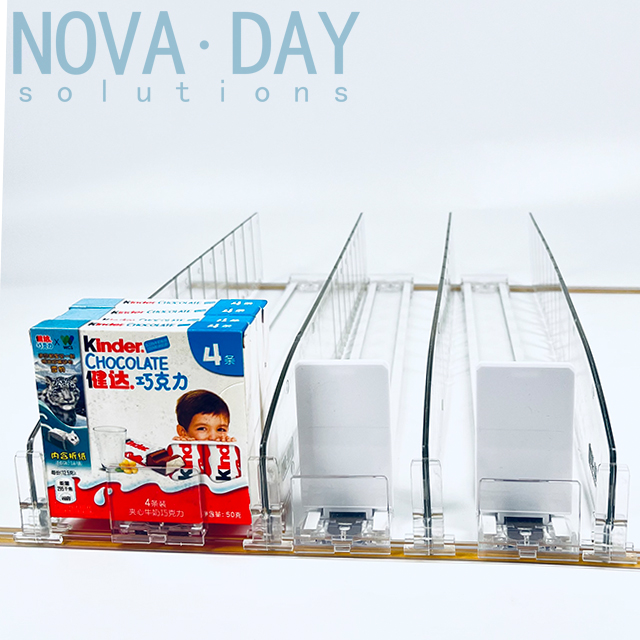
Shelf management system
Shelf Pushers & Dividers
Automatic front-facing systems matched to product width, shelf depth and refill routines.
System anatomy
Build the lane around the pack
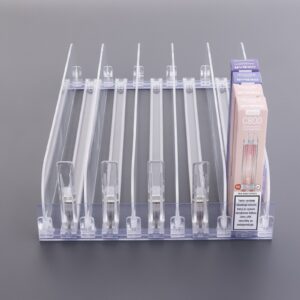
The pusher, spring, divider, rail and front stop each solve a different part of the shelf problem.
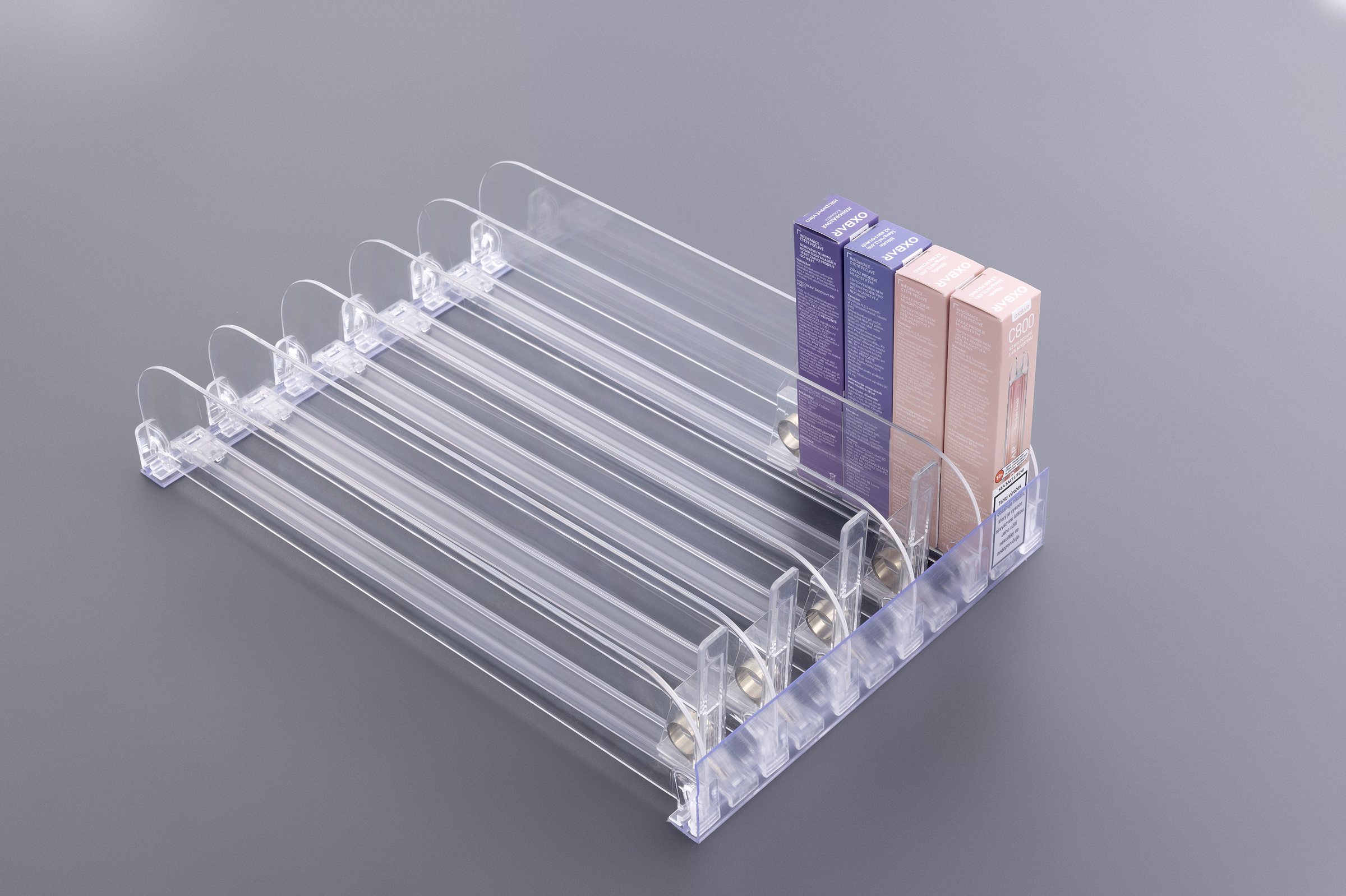
Slim pushers
For cosmetics and narrow packs.
Standard pushfeed
For regular packaged goods and pharmacy lines.
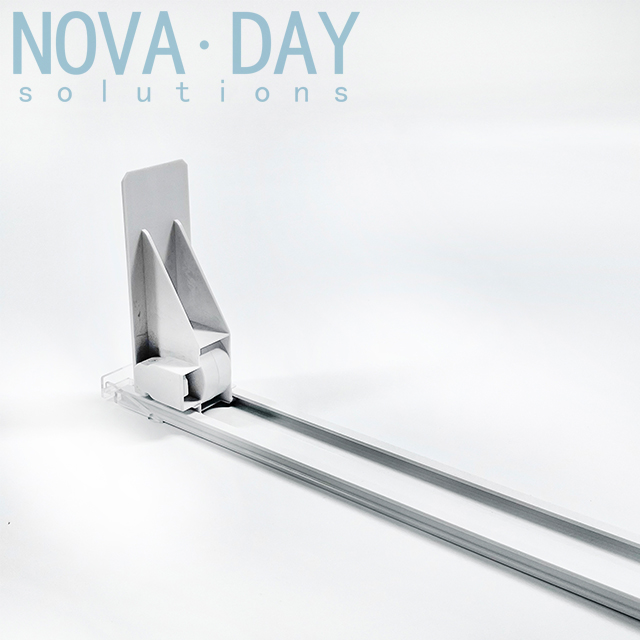
Controlled feed
For taller or heavier packs that need slower movement.
Before and after
Keep every facing visible
Spring force and lane width work together so products move forward consistently while staff refill from the rear or front.
- Reduce manual facing
- Keep lanes separated
- Adjust the system around pack width
Application map
Six retail environments, six different lane requirements
Use the original application evidence to show how pack shape, temperature and access change the pusher, divider and front restraint.

Tobacco
Narrow, repeated facings with controlled product access.
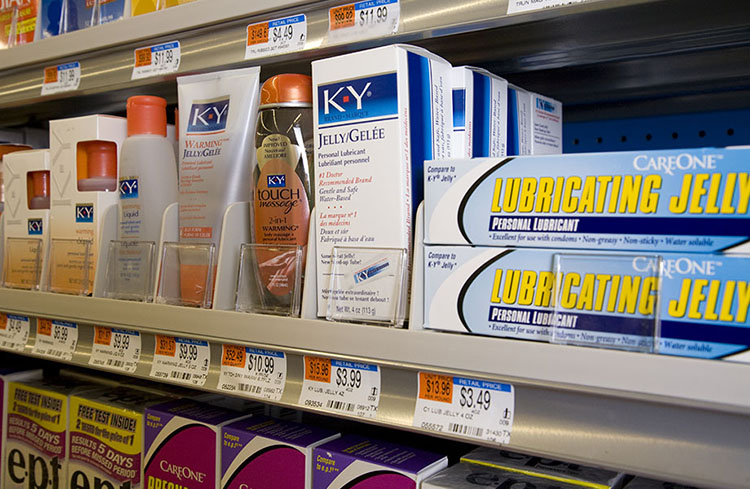
Pharmacy
Compact cartons with clear facings and flexible lane widths.

Grocery and daily care
Mixed bottle and carton formats across standard gondola shelves.
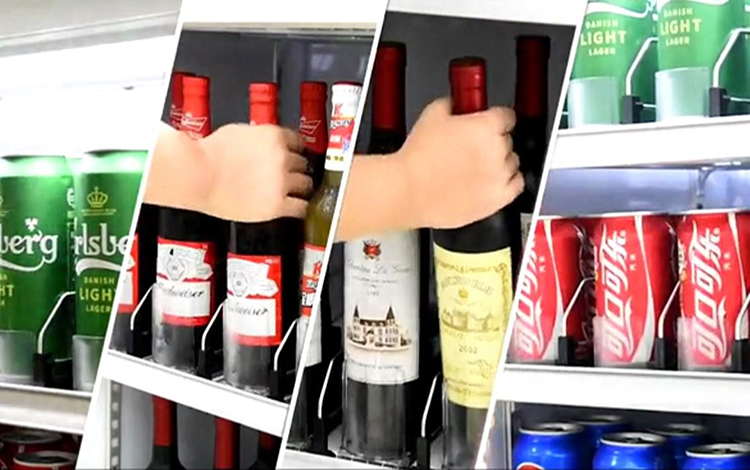
Beverages
Guided lanes for heavier bottles and cans.

Fresh and frozen
Materials and movement selected for cold cabinets.

Sweets
Slim lanes for bars, bags and compact confectionery packs.
Features and benefits
Keep products visible with less shelf maintenance
The system needs to improve presentation without making refill work harder.
Full product visibility
Keep the next unit close to the shelf edge.
Adjustable lanes
Reset divider spacing when the assortment changes.
Controlled movement
Select the spring and paddle around the pack.
Repeatable rollout
Approve one bay, then document the store setup.
Selection guide
Match spring force, width and depth
Start with product dimensions and weight, then check package friction, shelf depth and how staff refill the bay.
- Product width and contact surface
- Pack weight and center of gravity
- Shelf depth and mounting rail
- Store refill frequency
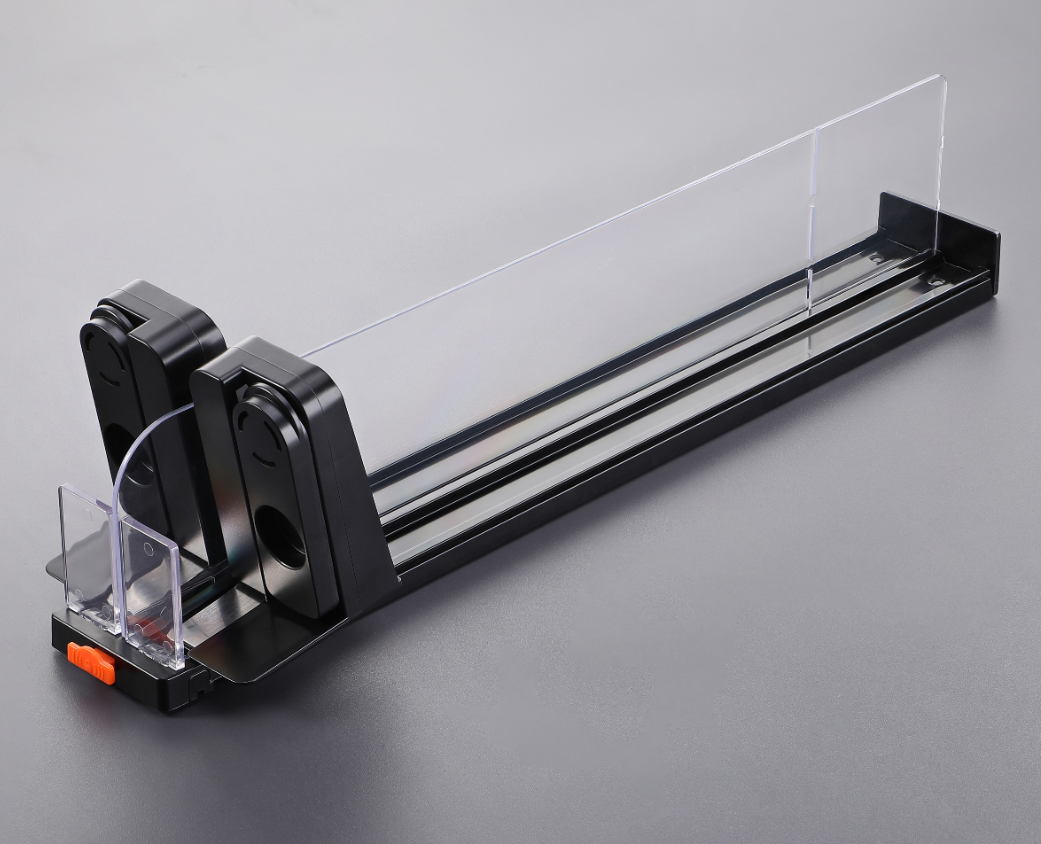
Validation evidence
Test spring force and movement before rollout
A spring pusher should be approved with the real pack, shelf depth and expected refill cycle. Record the sample configuration so production follows the tested result.
- Spring-force match
- Repeated movement cycle
- Cold or ambient condition
- Paddle contact and pack stability
- Approved sample record

Custom development
Four steps from shelf brief to shipment
The original product logic is retained as a clear project path.
Get a solution
Review dimensions, load, shelf and quantity.
Sample and test
Check the physical sample in a real shelf bay.
Bulk production
Approve the sample before volume production.
QC and shipping
Review the inspection result and packing plan.
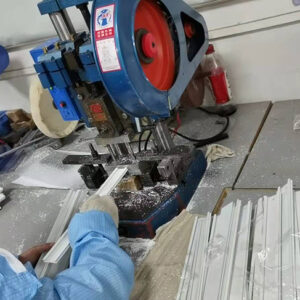
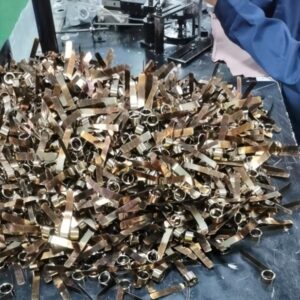
Production evidence
From moulded parts to finished pusher systems
Keep the manufacturing proof close to the project process: components, springs, assembly, inspection and packing are checked as one repeatable system.



Related products
Shelf pushers and dividers
Explore products from the matching WooCommerce category. Product images, titles and links stay connected to the catalogue.

Maximize the earning potential of each shelf
Send product dimensions, shelf photos, expected quantity and target timing for a practical project review.